
Before You Renovate Your Kitchen, Read This
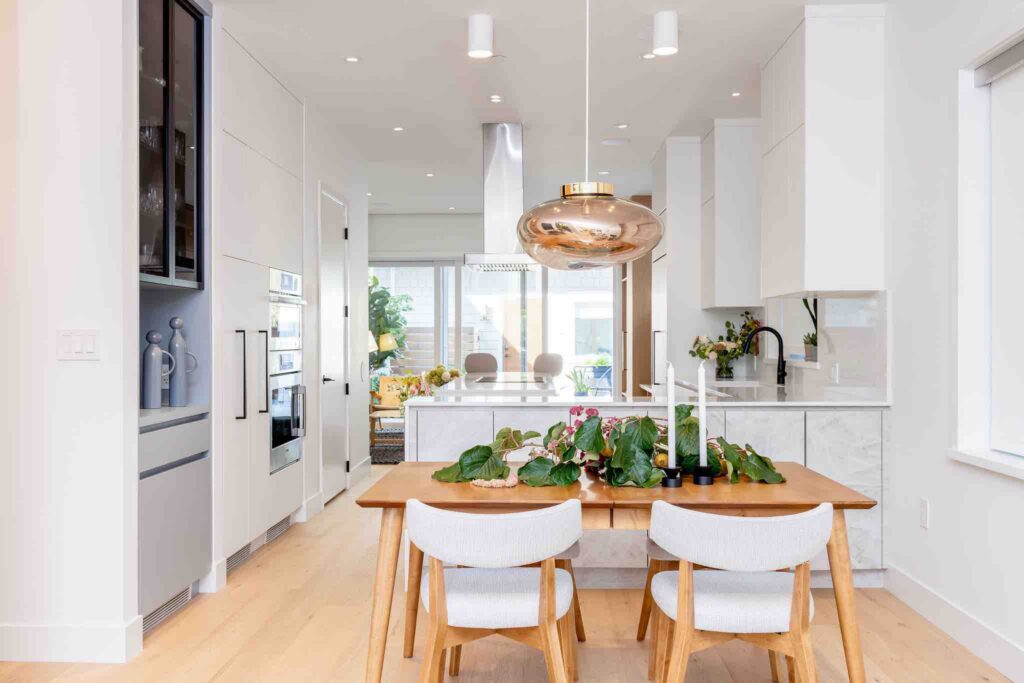
A successful kitchen renovation begins long before cabinetry finishes, countertop materials, or appliance packages are selected. The kitchens that feel effortless and enduring are rarely the result of trend chasing. They are shaped through thoughtful planning, clear priorities, and an understanding of how the space needs to support everyday life.
A kitchen can be visually beautiful and still feel awkward to use. Poor circulation, insufficient storage, or lighting treated as an afterthought can affect the experience of a space every day. The strongest renovations begin by looking beyond materials and asking bigger questions first.
Start with How You Live
Many kitchen projects begin with inspiration images, but the better starting point is lifestyle. How a household cooks, gathers, entertains, and moves through the space should shape the design long before finishes are discussed.
A family kitchen used for homework, casual meals, and constant activity will have different priorities than a quieter, highly functional kitchen built around serious cooking. Some households need generous pantry storage and integrated appliances to support calm and order. Others may prioritize a social island, layered seating, and durable materials that can handle daily use.
The most thoughtful residential interior design starts by understanding routines, frustrations, and aspirations. Those insights often shape the strongest decisions.
Resolve the Layout Before Choosing Finishes
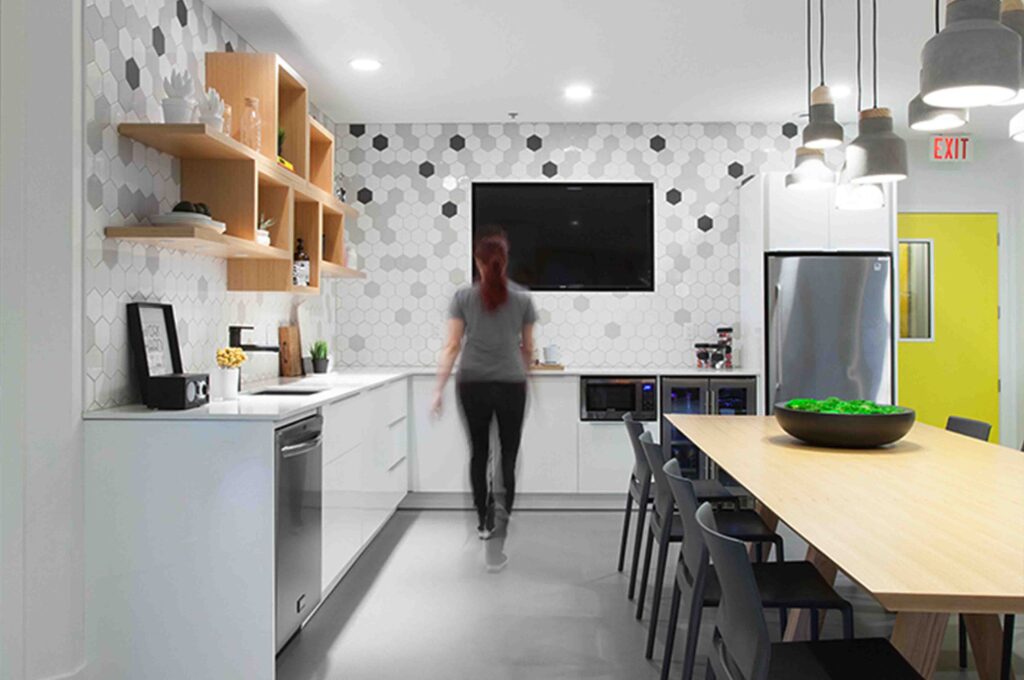
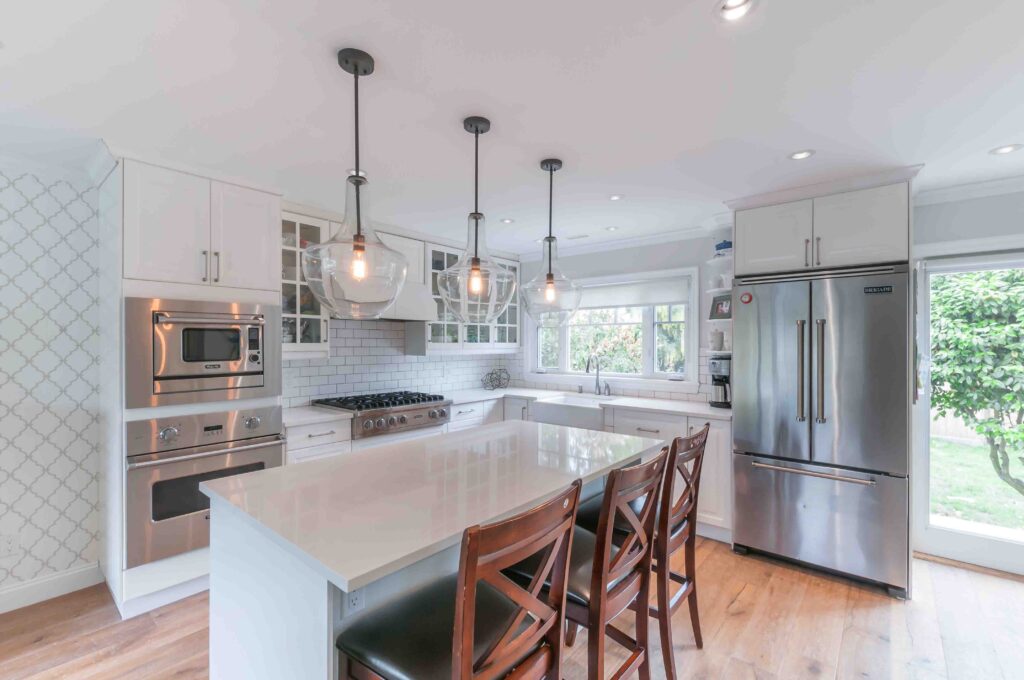
It is easy to become absorbed in tile, stone, and cabinet colours, but layout is where many successful renovations are won or lost.
Questions of circulation, proportion, and adjacency matter deeply. Is the kitchen easy to move through? Does the island support both prep and gathering? Does traffic cut awkwardly through working zones? Does the kitchen connect naturally to surrounding living spaces?
Sometimes the existing footprint works well and needs only refinement. In other cases, modest shifts in planning can transform how the entire room functions.
Beautiful materials cannot compensate for a layout that never quite works.
Design Storage Intentionally
Storage is often underestimated until a renovation is complete. Good storage is not simply about adding more cabinetry. It is about creating systems that make daily life easier.
Thoughtful kitchens consider what needs to be stored, what should remain accessible, and how visual clutter can be reduced. Deep drawers may function better than lower cabinets. A pantry may need internal organization rather than more square footage. Small appliance storage can dramatically improve the calm of a kitchen.
Often what makes a kitchen feel luxurious is not extravagance, but the quiet sense that everything has been considered.
Treat Lighting as Part of the Architecture
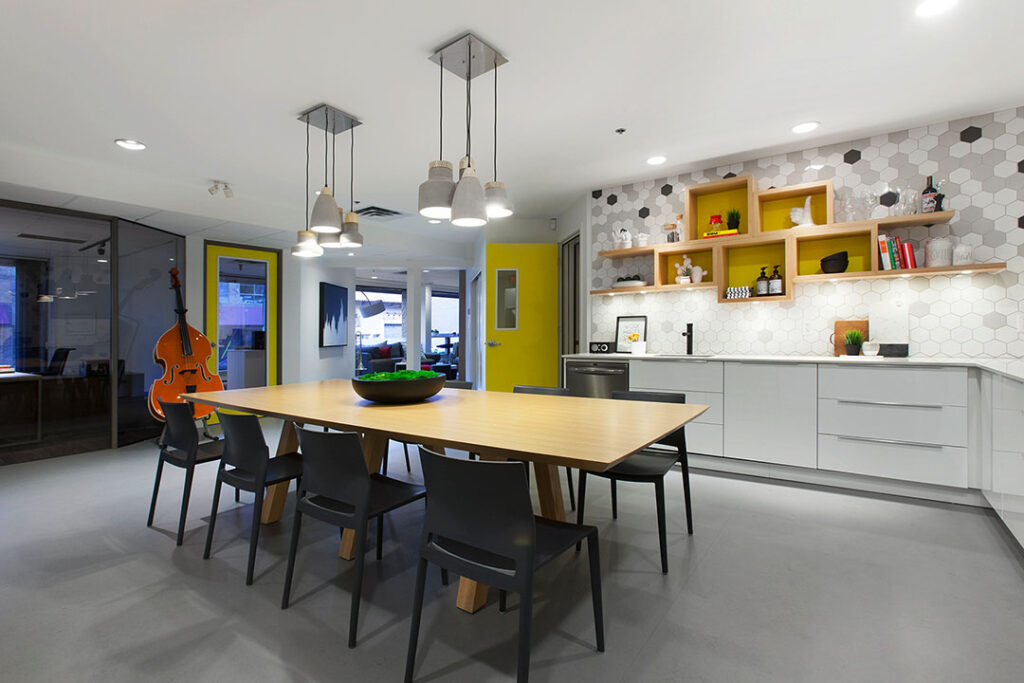
Lighting is one of the most overlooked aspects of kitchen renovation and one of the most transformative.
A strong kitchen lighting plan rarely relies on decorative pendants alone. It layers ambient light, task lighting, and accent lighting so the space works practically while also creating atmosphere.
Under-cabinet lighting can improve prep areas dramatically. Accent lighting can bring warmth to open shelving or textured materials. Well-considered ambient lighting can soften even highly contemporary spaces.
Thoughtful interiors do not treat lighting as an accessory. They treat it as part of how the room is experienced.
Choose Materials for Beauty and Longevity
Material choices carry both aesthetic and practical consequences. Kitchens work hard, and surfaces need to support real use.
This does not mean practical selections need to feel predictable. Some of the most memorable creative interiors emerge through thoughtful combinations of natural textures, bold colour design, and unexpected materials.
Stone can introduce movement and depth. Painted cabinetry can add personality. Wood, tile, or textured finishes can create warmth and layered character.
The key is balancing expression with performance.
Rather than selecting materials because they are trending, it helps to ask whether they suit how the space will live over time.
Do Not Be Afraid of Colour
Many kitchens default to neutrality in the name of safety, yet colour can bring remarkable identity when used thoughtfully.
Colour-driven design does not have to mean excess. It can be architectural and restrained. A muted painted island, tonal cabinetry, or an unexpected material pairing can add depth and individuality without overwhelming the room.
Handled well, colour often makes a kitchen feel curated rather than decorated.
This is often where creative risk-taking creates interiors with lasting personality.
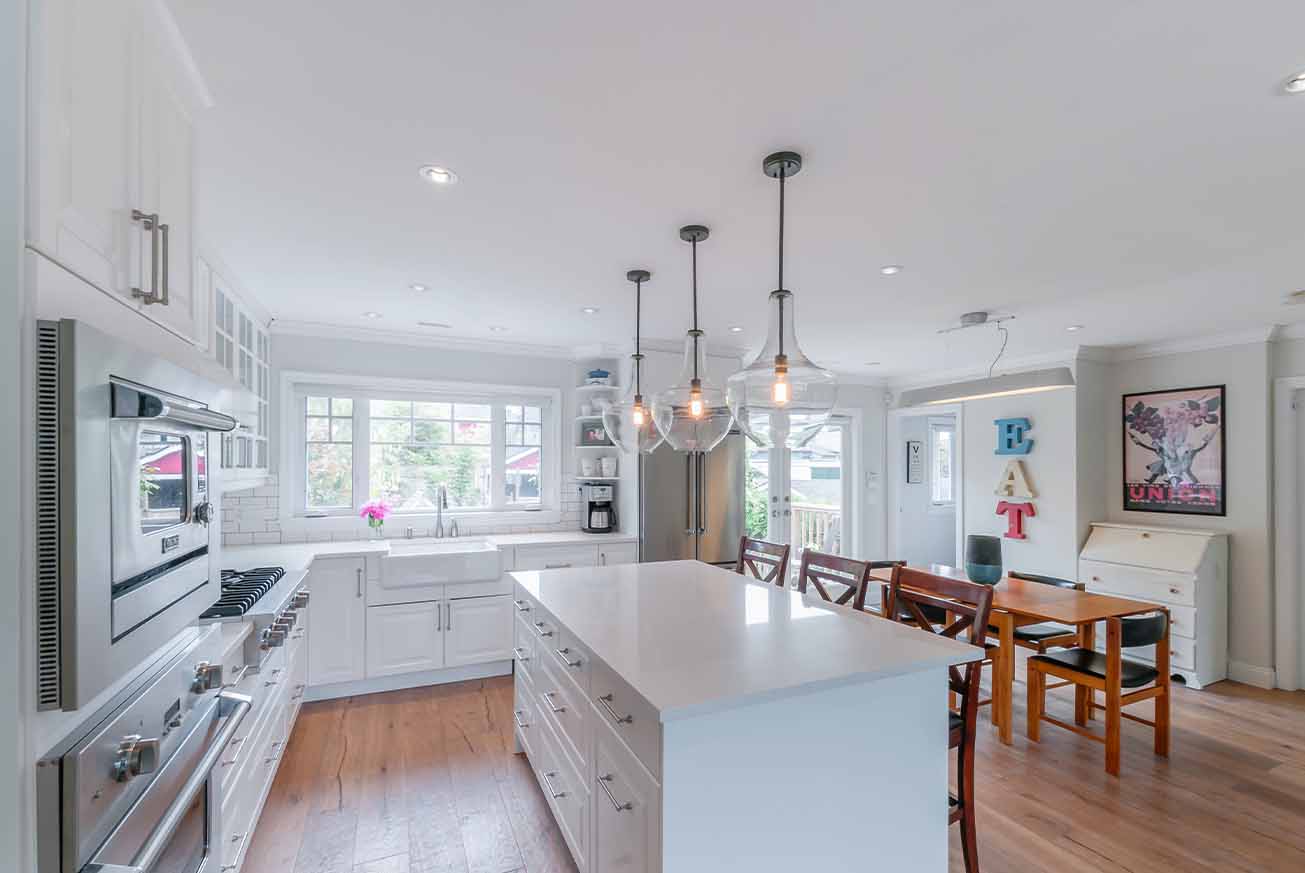
Budget for What Matters Most
One of the most important decisions in a renovation is understanding where investment will have the greatest impact.
Sometimes that means prioritizing layout improvements over expensive finishes. Sometimes it means investing in millwork, lighting, or details that elevate the entire space.
Thoughtful design is rarely about doing everything. It is often about doing the right things well.
A strong budget reflects priorities, not just costs.
A Kitchen Should Feel as Good as It Looks
The most compelling kitchens are not defined by any single finish or trend. They feel coherent because function, materiality, and personality have been considered together.
They support daily rituals. They invite gathering. They reveal care in the details.
A successful kitchen renovation is less about choosing beautiful things and more about shaping a space that works beautifully.
Before selecting hardware, tile, or paint colours, it is worth pausing to ask how the kitchen should truly live.
That is often where the best design decisions begin.